Permits and Safety Rules for Commercial Cleaning Near Little Venice
If you arrange commercial cleaning near Little Venice, the work can look straightforward from the outside: arrive, clean, leave the place better than you found it. In reality, the permits and safety rules behind that work matter a great deal. They affect how teams move in and out of buildings, what equipment can be used, how waste is handled, and whether the job runs smoothly or becomes a headache for everyone involved.
Little Venice has its own rhythm. There are busy access routes, residential pockets, offices, managed buildings, canal-side properties, and a fair amount of shared space to navigate. That mix means commercial cleaning is not just about cleanliness; it is also about coordination, safety, and sensible compliance. This guide breaks down what usually needs checking, what can trip people up, and how to handle commercial cleaning in a way that is practical, compliant, and respectful of the local setting.
For readers comparing providers, it also helps to know what good practice looks like beyond the mop and bucket. Documentation, insurance, risk assessment, COSHH controls, waste handling, and site permissions all sit behind a safe service. If you want a broader sense of how a provider frames those responsibilities, you can also review the company's health and safety policy and insurance and safety information.
Table of Contents
- Why Permits and Safety Rules Matter
- How Permits and Safety Rules Work
- Key Benefits and Practical Advantages
- Who This Is For and When It Makes Sense
- Step-by-Step Guidance
- Expert Tips for Better Results
- Common Mistakes to Avoid
- Tools, Resources and Recommendations
- Law, Compliance, Standards, or Best Practice
- Options, Methods, or Comparison Table
- Case Study or Real-World Example
- Practical Checklist
- Conclusion
- Frequently Asked Questions
Why Permits and safety rules for commercial cleaning near Little Venice Matters
Commercial cleaning is often scheduled outside peak hours, but the work still interacts with real people, real buildings, and real risks. That is the core reason permits and safety rules matter. They are not paperwork for the sake of it. They are the difference between a tidy handover and a late-night incident report.
Near Little Venice, the setting adds a few extra layers. You may be dealing with narrow access, shared entrances, concierge procedures, loading restrictions, residents who do not want noise at 6 a.m., or office managers who need proof that contractors are insured and briefed. In practice, the job is as much about how the cleaning is done as what is cleaned.
A well-run commercial cleaning visit should protect:
- building users, visitors, and cleaning staff
- the property itself, including floors, lifts, corridors, and fixtures
- the business owner or managing agent who ordered the work
- the reputation of the cleaner, especially in shared or managed spaces
There is also a quiet commercial benefit. When safety is organised properly, jobs take less time to set up, fewer things go wrong, and you avoid awkward delays. Let's face it, nobody enjoys discovering that a chemical cupboard was not flagged, a corridor was blocked, or the waste contractor expected something different.
How Permits and safety rules for commercial cleaning near Little Venice Works
There is no single universal "commercial cleaning permit" that applies everywhere. That is one of the first things people get wrong. Instead, the practical process usually involves several permissions, checks, and site-specific rules, depending on the premises and the task.
Here is the simple version: before the clean starts, someone should confirm access rights, building rules, risk controls, and any local restrictions that affect the method or timing. The cleaner then follows site instructions, works within the agreed scope, and records anything unusual.
What may need checking before the job
- Building access permissions for managed offices, apartment blocks, communal areas, or business premises
- Parking or loading arrangements if vans or equipment need temporary stopping access
- Waste handling requirements for packaging, contaminated materials, sharps, or general refuse
- Noise and timing rules where the building has residents, tenants, or sensitive neighbours
- Equipment safety for powered machines, wet floors, ladders, and high-reach tools
- Chemical safety where detergents, sanitisers, or specialist products are used
For many jobs, the most important document is not a permit as such, but the risk assessment and method statement. In plain English, that means: what could go wrong, how you prevent it, who does what, and what happens if the plan changes. A good provider should be able to explain this without sounding like they swallowed a clipboard.
For buildings with shared circulation areas, you may also want to think about the services that overlap with commercial cleaning, such as communal area cleaning or office cleaning, because those settings often have stricter movement and scheduling rules.
Where safety rules usually come from
Most safety expectations come from a combination of the workplace itself, general UK health and safety duties, product instructions, and sensible industry practice. For example, a building might require:
- sign-in and sign-out procedures
- visitor badges or contractor escorting
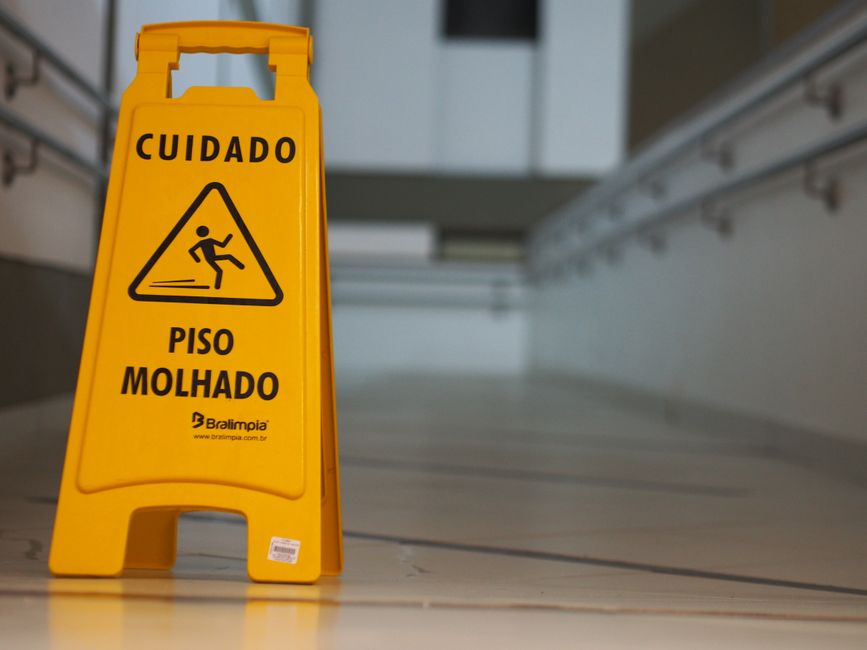
- wet floor signage and restricted access while drying
- separate storage for chemicals and cleaning tools
- specific disposal methods for contaminated cloths or sharps
It sounds basic. But basic is exactly what stops mistakes. A wet floor in a rush-hour corridor is still a wet floor, and it only takes one slip for everyone to wish they had slowed down.
Key Benefits and Practical Advantages
Getting permits and safety rules right is not just about avoiding trouble. It improves the actual cleaning outcome too. The cleaner can work with fewer interruptions, building users feel reassured, and managers have less to chase afterwards.
1. Less disruption to occupants
When access, timing, and safety controls are agreed in advance, the job feels calmer. You are not moving around a delivery bay that someone else has booked, and you are not trying to clean around people who were never told you were coming. That matters a lot in Little Venice, where mixed-use buildings are common and the margin for error can be small.
2. Better protection for surfaces and equipment
Commercial buildings often contain expensive materials: natural stone, sealed timber, carpet tiles, glass partitions, specialist fixtures, and sensitive electronics. Safety rules help ensure the right method is used. That may mean choosing a gentler process for a reception area, or using a task-specific approach such as hard floor cleaning or window cleaning instead of a one-size-fits-all routine.
3. Lower risk of accidents and claims
Spills, trips, chemical exposure, and poor lifting technique are all preventable to a large degree. Documented safety rules reduce the chance of an injury or property claim, and if something does go wrong, everyone has a clearer record of what happened. That calm, boring trail of paperwork can save a lot of stress later.
4. Stronger trust with landlords and managers
Commercial clients often judge providers on reliability first. If a cleaner arrives prepared, knows the site rules, and understands the permit requirements, trust builds quickly. That is especially true where buildings are managed carefully, or where residents and staff are already sensitive to disturbance.
5. Easier repeat scheduling
Once a site has clear access rules and a reliable compliance routine, repeat cleans become simpler. This is one reason many businesses prefer regular arrangements over ad hoc bookings. A steady, well-managed schedule often suits a building better than a last-minute scramble. If you are weighing that kind of arrangement, a provider's regular cleaning service may be more suitable than a one-off visit.
Who This Is For and When It Makes Sense
This topic matters to more people than you might think. If you are responsible for a building, a tenancy, a leasehold block, or a workplace, the safety side of cleaning is part of your job even if you never pick up the equipment yourself.
Typical people who need to pay attention
- Office managers who arrange routine or out-of-hours cleaning
- Facilities teams coordinating access, alarms, and building users
- Landlords and managing agents overseeing communal or commercial spaces
- Hospitality operators balancing turnover, hygiene, and guest safety
- Retail and service businesses needing cleaning without interrupting trading
- Contract cleaners who need to work safely and keep clients informed
It also makes sense for people commissioning specialist work after a refurbishment or a deep tidy-up. A post-work clean usually carries more risks: dust, debris, temporary hazards, and a higher chance that surfaces need checking before use. In those cases, something like after builders cleaning may be more relevant than routine janitorial work.
And yes, sometimes the situation is oddly specific. A cafe might need a pre-opening clean but no chemicals near food prep. An office might need a 7 p.m. clean because nobody wants a vacuum echoing through an open-plan space at 9 a.m. Different setting, different rules. Simple, really, but easy to forget in a hurry.
Step-by-Step Guidance
If you are organising cleaning near Little Venice, the easiest way to stay compliant is to treat the job as a small project rather than an informal favour. The steps below are practical and work well for most commercial settings.
- Confirm the exact site and scope. Know what will be cleaned, when, and which rooms or shared areas are included. Ambiguity is where problems start.
- Check building access rules. Ask about keys, fobs, reception sign-in, lift booking, alarm codes, delivery restrictions, and escort requirements.
- Identify the hazards. Wet floors, fragile surfaces, cables, chemicals, high shelves, public access, and any areas that must stay closed during the job all need consideration.
- Choose the correct method. For example, carpeted corridors may need commercial carpet cleaning, while hard lobby finishes may need a different process.
- Prepare the documentation. At minimum, there should be a sensible risk assessment, product information where needed, and a clear understanding of who is responsible for what.
- Set up the site safely. This includes signs, barriers if needed, cable management, and safe storage of products and equipment.
- Carry out the clean. Work methodically, keep access routes open where required, and pause if the environment changes.
- Inspect and hand over. Check for missed spots, residue, slips, odours, or damage. Report issues promptly, not at some vague later date.
One useful habit is to ask a simple question before the team starts: "What would make this site unsafe today?" If the answer is anything other than "nothing," deal with it first. That little pause can prevent a lot of mess.
For properties with mixed materials or more delicate interiors, combining the right service with the right method matters. Upholstered seating, for example, may need upholstery cleaning, while fabric-rich rooms can benefit from a targeted deep cleaning approach rather than a quick surface wipe.
Expert Tips for Better Results
After enough site visits, a pattern emerges. The jobs that go smoothly usually have a few things in common. Nothing glamorous. Just good habits done consistently.
Keep the communication chain short
Decide who speaks for the building and who speaks for the cleaning team. If three people are relaying changes, the message usually mutates somewhere along the way. A direct contact is far more reliable, especially for last-minute access changes.
Use only the products you actually need
More chemical does not mean more clean. In fact, it often means more residue, more odour, and more rinsing. A careful cleaner chooses products based on surface type, soil level, and exposure risk. That is standard practice, not a luxury.
Protect drying time
One of the easiest ways to create a hazard is to clean a floor and then let people walk straight over it. If you need a drying window, build it into the schedule. For carpeted spaces, plan for the correct method and drying period; for example, steam carpet cleaning can be effective, but it still needs sensible post-clean access control.
Think about the route, not just the room
People often focus on the room being cleaned and forget the path to get there. Corridors, stairs, entrance mats, and loading points can be the real risk zones. Honestly, the corridor is where half the awkwardness lives.
Match cleaning to the building's use
A high-traffic office is not the same as a quiet professional suite or a managed communal entrance. A business that sees clients all day may need more frequent touchpoint cleaning, while another may need only periodic attention. A provider offering commercial cleaning should be able to adapt the routine to the space, not the other way around.
Common Mistakes to Avoid
Most cleaning incidents are not dramatic. They usually begin with one small shortcut that seemed fine at the time. Here are the ones worth watching out for.
- Assuming permission equals safety. A clean may be authorised but still unsafe if the area is not prepared properly.
- Not checking site rules in writing. Verbal instructions get forgotten, especially across shift changes.
- Using the wrong method on the wrong surface. A wet process on a sensitive floor can cause costly damage.
- Leaving products unattended. Chemicals should not be left where staff, visitors, or residents can reach them.
- Failing to isolate the work area. One open door is often enough to create a slip or contamination issue.
- Ignoring waste disposal details. Waste that looks harmless may still need special handling.
- Skipping the final inspection. Tiny issues such as streaking, residue, or a blocked exit can snowball quickly.
There is also a quieter mistake: choosing a provider only on price and assuming the rest will sort itself out. Sometimes it does. Often it does not. If you are comparing options, a transparent pricing and quotes page can help you understand what is actually included.
And if a contractor cannot explain their process clearly, that is a red flag. Not always a disaster, but definitely worth a second look.
Tools, Resources and Recommendations
You do not need a huge technical toolkit to manage this well, but the right basics make a noticeable difference. Here is what is usually worth having in place before the team arrives.
- Site access notes including keys, fobs, codes, and visitor instructions
- Risk assessment template tailored to the type of property and task
- Method statement for more complex or higher-risk work
- Product labels and safety data for chemicals, if relevant
- Warning signs and barriers for wet or restricted areas
- Spill kit where liquids or chemicals are carried on-site
- Appropriate PPE such as gloves, eye protection, or slip-resistant footwear where required
From an operational point of view, the best recommendation is simple: choose a provider that treats safety as part of the service, not a separate add-on. A company that already explains its about us page clearly and keeps its terms and conditions accessible is usually more organised about the practical side too.
If the job involves carpets, fabrics, or stains, it can help to line up the specialist service in advance rather than improvising on the day. Depending on the site, that may mean carpet cleaning, rug cleaning, sofa cleaning, or targeted stain removal.
Law, Compliance, Standards, or Best Practice
This is the section where people sometimes expect a neat checklist of laws. The truth is a bit more layered. Commercial cleaning in the UK sits within general health and safety duties, workplace rules, building management requirements, and product-specific controls. The exact obligations vary by premises and task, so caution is sensible here.
In practical terms, good compliance usually means the cleaner and the client both understand their responsibilities. Common expectations include:
- carrying out a suitable and sufficient risk assessment where needed
- using products in line with manufacturer instructions
- training staff on safe handling, manual handling, and spill response
- keeping walkways and exits clear during the work
- controlling exposure to cleaning chemicals and wet surfaces
- recording incidents, near misses, or damage promptly
Where buildings have communal access, shared residents, or vulnerable occupants, the standard of care should be even higher. That does not always mean more paperwork. Sometimes it simply means a better plan, better timing, and better communication. Quiet competence, basically.
For specialist exterior work, the compliance picture can change again. Tasks such as facade cleaning, gutter cleaning, or patio cleaning may introduce different access, fall-prevention, or water-management concerns. The rule of thumb is simple: if the job involves height, public areas, or substantial equipment, the planning becomes more important, not less.
Options, Methods, or Comparison Table
Not every commercial cleaning job needs the same level of permission or safety control. The right approach depends on the setting and the risk profile.
| Cleaning scenario | Typical permission needs | Main safety focus | Best fit |
|---|---|---|---|
| Small office clean | Basic access approval, building sign-in | Cables, slips, product use | Routine office cleaning |
| Managed communal area | Landlord or managing agent approval, resident awareness | Noise, wet floors, shared access | Communal area cleaning |
| Post-refurbishment site | Contractor coordination, debris clearance, staging plan | Dust, sharp edges, heavy residue | After builders cleaning |
| Fabric-heavy interior | Room access and furniture handling permission | Moisture, fabric compatibility, drying | Upholstery cleaning |
| Routine hygiene refresh | Simple booking and site instructions | Touchpoints, chemicals, timing | Regular cleaning |
This comparison is useful because it shows how the "permit" side of the job is not always formal paperwork. Sometimes it is simply the right approval from the right person, plus a safe method. That can be enough. Other times, especially in busy or sensitive environments, the controls need to be tighter.
Case Study or Real-World Example
Picture a small professional suite near Little Venice with a shared entrance, a lift, and two occupied floors above it. The office wants an evening clean after client meetings have finished. On paper, that sounds routine enough.
Now add the real-life bits. The building manager wants the contractor to sign in at reception. The lift cannot be booked after 7 p.m. without prior notice. The corridor floor is polished and becomes slick if over-wet. One tenant on the first floor is allergic to strong scents. And the cleaner needs to carry equipment through a narrow entrance where deliveries are still being unloaded at 6:30 p.m.
The solution is not complicated, but it does need planning:
- confirm access and sign-in procedures before arrival
- use lower-odour products where possible
- keep water use controlled on polished floors
- time the visit after deliveries have cleared
- place signs at the corridor entrance until the floor is dry
- agree a named contact for any issue on the night
In that sort of job, the cleaning itself may only take a couple of hours. The safety planning is what keeps it from becoming a nuisance. Truth be told, the best jobs often look almost dull from the outside. That is a good sign.
Practical Checklist
Use this checklist before any commercial clean near Little Venice. It keeps the job grounded and stops small oversights from turning into bigger ones.
- Confirm the exact area to be cleaned
- Identify who has permission to authorise access
- Check any building-specific contractor rules
- Ask about parking, loading, lift, and entrance arrangements
- Confirm the cleaner's insurance and safety documentation
- Review the risk assessment and method for the task
- Make sure chemical and surface compatibility has been considered
- Set expectations for noise, timing, and drying time
- Arrange signs or barriers if floors will be wet or restricted
- Agree waste removal and disposal responsibilities
- Keep a named contact available during the visit
- Inspect the area at the end and report any concerns immediately
If you are commissioning a more specialist type of clean, it is also worth checking whether the provider offers a matching service such as steam carpet cleaning for fibre floors, window cleaning for visible glass areas, or hard floor cleaning for lobbies and corridors.
Get a free quote today and see how much you can save.
Conclusion
Permits and safety rules for commercial cleaning near Little Venice are really about making the work fit the building, the people, and the pace of the area. Once you understand that, the rest becomes much easier. You are not just buying a clean space. You are buying a controlled process that respects access, avoids disruption, and reduces risk.
The best outcomes usually come from a straightforward approach: agree access, confirm the hazards, use the right method, and keep communication honest and simple. No drama. No guesswork. Just a clean job carried out properly, with the right safeguards in place.
And if you are trying to choose a provider, ask the practical questions. How do they handle site rules? What happens if the building changes access at short notice? How do they manage wet floors, chemicals, or shared entrances? The answers will tell you a lot. Often more than the brochure does.
In a place like Little Venice, where buildings can be elegant, busy, and a bit particular, that care makes all the difference. A tidy finish is nice. A safe, well-run finish is better. Much better.
Frequently Asked Questions
Do commercial cleaning jobs near Little Venice always need a permit?
Not always. Many jobs only need access approval, building instructions, and sensible safety controls. Formal permits are more likely where the work affects shared areas, restricted access, higher-risk equipment, or specialist tasks.
Who is usually responsible for safety on a commercial cleaning site?
Responsibility is normally shared. The building owner, manager, or occupier controls the premises, while the cleaning provider controls how the work is carried out. Both sides need to communicate clearly.
What documents should a cleaner provide before starting?
That depends on the job, but a risk assessment, insurance details, and a clear method for the work are common expectations. For more involved work, a method statement is often helpful too.
Are there special rules for cleaning communal areas?
Yes, usually. Shared entrances, corridors, and lifts need more attention because they affect residents, visitors, and multiple occupiers. Cleaning often has to be timed carefully and may require additional warning signs or access control.
Can commercial cleaning affect neighbours or residents near Little Venice?
It can, especially if equipment is noisy, access is shared, or the work happens early or late. Good planning helps reduce disturbance, which is particularly important in mixed-use and residential settings.
What are the biggest safety risks during commercial cleaning?
Slips, trips, chemical exposure, manual handling, and poor access control are among the most common risks. Wet floors and cables are the classic troublemakers, really.
Is commercial carpet cleaning treated differently from general office cleaning?
Often yes. Carpet cleaning may need longer drying time, more floor protection, and different chemical controls. That is why services like commercial carpet cleaning and office cleaning are not always interchangeable.
How do I know if a cleaner is properly insured?
Ask for confirmation before the job begins and check that the cover is appropriate for the work being done. A reputable provider should be able to explain this clearly without making it awkward.
Do after-builders cleans need extra safety checks?
Usually they do, because post-construction spaces often contain dust, debris, sharp material, and unfinished details. Access and method planning matter more in those environments.
What should I do if I notice a safety issue during a clean?
Stop the relevant part of the work if needed, make the area safe, and tell the responsible contact immediately. It is far better to pause for a minute than to carry on and hope for the best.
Is regular cleaning safer than one-off cleaning?
Not automatically, but it often becomes easier to manage because the site is familiar and the process is more predictable. That can reduce surprises and make access, timing, and communication smoother.
Can specialist services help with compliance?
Yes. Using the right service for the job usually improves safety and results. For example, steam carpet cleaning for carpets, upholstery cleaning for fabric seating, and window cleaning for glass all have different controls and practical needs.