Maida Vale council rules for waste from professional cleaners
Posted on 23/06/2026
Maida Vale council rules for waste from professional cleaners: what cleaners and clients should know
If you hire a professional cleaner in Maida Vale, waste handling can get awkward fast. A full bin bag in the hallway, leftover cleaning solution under the sink, a pile of soiled cloths, maybe even bulky items after an end-of-tenancy job - suddenly it is not just about making a place look spotless. The Maida Vale council rules for waste from professional cleaners are there to keep disposal safe, legal, and fair for everyone involved. And yes, the details matter more than most people expect.
This guide breaks the topic down in plain English. You will see how waste should be sorted, what usually counts as cleaning waste, where the common mistakes happen, and how professional cleaners can work neatly without leaving the client or the property manager with a mess to sort out later. To be fair, most problems are avoidable once you know the basics.
Why Maida Vale council rules for waste from professional cleaners matters
Waste from cleaning jobs sounds simple until you start looking closely. One job may only produce a few cloths and an empty spray bottle. Another might include food waste, packaging, broken items, bathroom waste, or bagged rubbish left behind after a tenant move-out. In a neighbourhood like Maida Vale, where flats, converted buildings, managed blocks, and busy shared entrances are common, waste handling has to be tidy and predictable.
The reason this matters is not just compliance. It affects hygiene, fire safety, building management relationships, and the client's experience of the service. A cleaner who leaves waste in the wrong place or uses the wrong disposal method can create friction with neighbours, concierge teams, or landlords. Nobody wants that awkward note on the communal board. You know the kind.
It also matters because waste rules can vary depending on what the cleaner is dealing with. General household waste is one thing. Chemical containers, contaminated cloths, sharps, mould-related debris, or flood waste are another. That's where a professional approach counts. The right process protects staff, clients, and the property itself.
If you are comparing services, it helps to see how waste handling sits alongside broader service quality. For example, our services overview explains the kind of cleaning work that often creates waste and needs careful handling, while our health and safety policy reflects the same practical mindset.
How Maida Vale council rules for waste from professional cleaners works
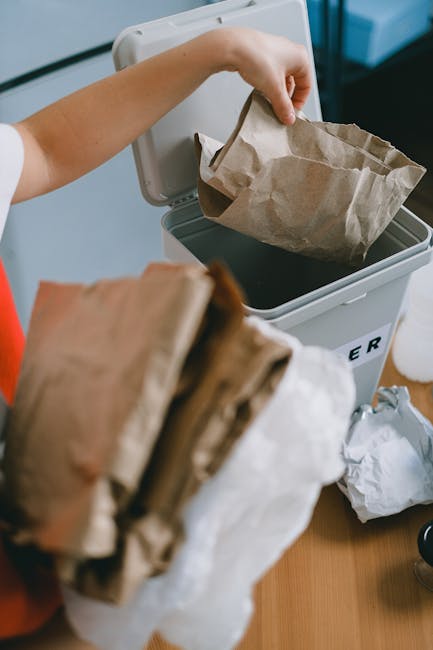
At a practical level, the process usually starts with identifying the waste type before anything is thrown away. That sounds obvious, but it is the bit people rush. A cleaner might carry away everyday rubbish, but they should not assume every item can go into a standard domestic bin. Waste should be separated into sensible categories so it can be dealt with correctly.
For ordinary cleaning work, that often means separating:
- general household rubbish
- recyclable packaging where facilities are available
- used cloths, wipes, mop heads, and similar consumables
- empty cleaning product containers
- bulky waste or items removed as part of an end-of-tenancy clean
- special waste, such as contaminated materials or hazardous residues
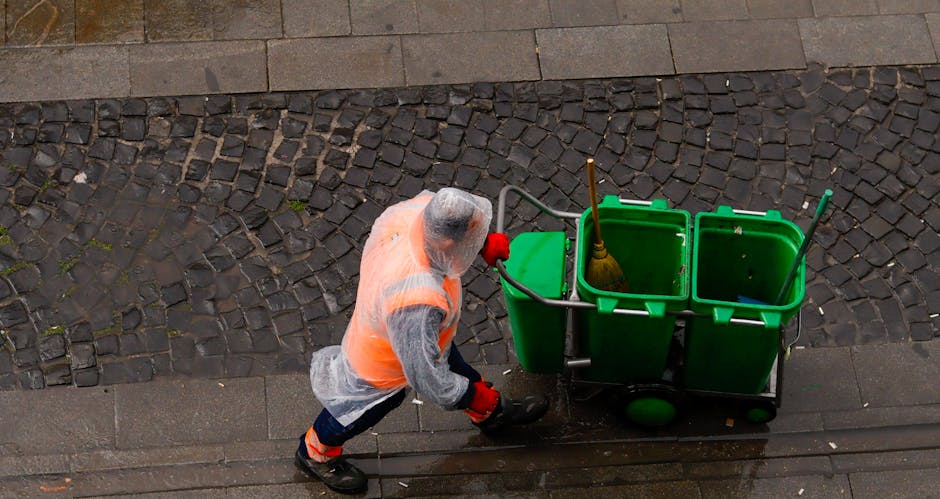
The cleaner also needs to think about where the waste is going next. In many cases, the client's own bins are used if the waste belongs to the property and local rules allow it. In other cases, the cleaner may need to take waste away, arrange a licensed collection route, or leave bulky items for the client or managing agent to handle separately. That depends on the job type, the contract, and the waste classification.
For example, after an office clean, the waste stream can include paper, food packaging, disposable sanitising materials, and the occasional item from a desk clear-out. In a domestic clean, it may be much lighter. During an end-of-tenancy clean, however, the pile can be very different. If you want a sense of how that kind of job changes expectations, the page on end-of-tenancy cleaning in Maida Vale is a useful companion read.
Truth be told, good waste handling is often invisible when it is done well. The property just feels calmer. No bags left in the wrong place, no mystery spills, no whiff of bleach lingering in a cupboard. That is the standard to aim for.
Key benefits and practical advantages
Following the local waste expectations properly brings more than neatness. It saves time, reduces complaints, and lowers the chance of a job turning into a problem later. That is especially important in Maida Vale, where many properties are close together and shared spaces can make one small mistake feel bigger than it should.
- Cleaner handover: The client gets a tidy property, not a room with a half-finished rubbish trail.
- Lower contamination risk: Used cloths and chemical residues are handled more carefully.
- Better landlord and tenant relations: Important after move-outs or deep cleans.
- Safer working conditions: Staff avoid unnecessary contact with sharp, wet, or contaminated waste.
- Less chance of complaint: Particularly in blocks with strict bin store rules.
There is also a reputational benefit. A cleaning company that treats waste properly tends to be more trusted overall. It says something about how they work: calm, organised, and respectful of the property. In a local market, that counts. If you are exploring the wider service style of a provider, it can help to review pages like about us and insurance and safety because waste handling is usually part of a broader operational standard, not a standalone task.
And let's face it, nobody praises a cleaner for leaving a bin bag in the lift lobby. But they notice when it is handled well.
Who this is for and when it makes sense
This topic is relevant to more people than you might think. It is not just for large commercial cleaning teams. In Maida Vale, waste from professional cleaners affects domestic jobs, offices, rental turnovers, upholstery work, and post-incident cleans too.
You should pay attention if you are any of the following:
- a homeowner booking a deep or one-off clean
- a tenant or landlord arranging a move-out clean
- a letting agent preparing a flat for re-marketing
- an office manager responsible for cleaning contractors
- a cleaner wanting to stay compliant and reduce callbacks
- a property manager dealing with shared-bin restrictions or building rules
It makes the most sense when the job creates more than routine dust and wiping waste. Think steam-cleaned carpets, upholstery work, flood recovery, heavy bathroom cleans, or any job involving packaging, removed items, or potentially contaminated materials. For example, a clean after a rented property has been vacated may produce much more waste than a weekly domestic visit. If that scenario sounds familiar, you may also find the guide to domestic cleaning in Maida Vale helpful for understanding the difference in scope.
A small aside: many waste issues are not caused by bad intentions. They happen because everyone assumes someone else will sort the bin bags out later. That assumption... well, it rarely ages well.
Step-by-step guidance
Here is a practical way to handle cleaning waste in a way that stays sensible and council-friendly.
- Identify the waste before the job starts. Ask what is likely to be removed: food waste, packaging, stained cloths, expired products, broken items, or bulky rubbish.
- Check the property rules. In Maida Vale, many buildings have their own bin arrangements. Always consider communal bin stores, collection days, and restrictions from the managing agent.
- Separate ordinary waste from special waste. Keep general rubbish apart from chemicals, heavily contaminated materials, or anything that should not go into a normal bin.
- Use secure bags and sealed containers. This avoids leaks in lifts, hallways, or vans. It also keeps smells down.
- Do not overfill bags. Split heavy waste into manageable loads. That is better for staff and for building access.
- Decide what stays and what leaves. Some waste can go into the client's bin if permitted. Bulky or unusual waste should be discussed in advance.
- Record anything unusual. If the cleaner finds hazardous material, sharps, pest-related waste, or serious contamination, it should be noted and handled carefully.
- Finish with a visual check. The area should look clean, smell clean, and be free from stray wipes, tape, wrappers, or splash marks.
That last step sounds small, but it makes a huge difference. A good finish is often what separates "cleaned" from "well cleaned".
Expert tips for better results
When cleaners are dealing with waste properly, a few habits make life easier straight away.
- Keep a waste plan in the booking notes. One short note can prevent a lot of confusion later.
- Carry spare liners and sealable bags. It sounds basic, but it saves awkward last-minute improvising.
- Use colour coding if the team is larger. This helps staff remember which items are recyclables, general waste, or special waste.
- Ventilate after chemical use. Even small amounts of product residue can linger in enclosed rooms.
- Photograph unusual waste issues if needed. Not for drama. Just for clarity if the customer or landlord later asks what was found.
Another useful habit is to set expectations early. If you know a job might involve heavy waste, say so before arrival. Clients usually appreciate plain speaking more than surprise problems. If the job also includes something like upholstery or hard-floor cleaning, the handling of waste and moisture becomes even more important, which is why pages such as upholstery cleaning in Maida Vale and steam cleaning for Victorian floors in Maida Vale can be useful context.
Expert tip, quietly speaking: if waste handling feels rushed, the rest of the job usually gets rushed too. Funny how that works.

Common mistakes to avoid
Most waste-related issues are boringly preventable. Still, they keep happening. Here are the ones that show up most often.
- Leaving bags in communal areas: That can breach building rules and annoy neighbours fast.
- Mixing chemical waste with general rubbish: Not a good idea, especially if containers are still partly full.
- Assuming the client's bin is always available: It may already be full, locked, or managed by a building scheme.
- Ignoring wet waste: Soaked cloths and mop heads can leak and smell if handled badly.
- Not planning for bulky removals: End-of-tenancy jobs often uncover extra items that need a separate decision.
- Forgetting about safety gear: Gloves are not optional when waste may be contaminated or sharp.
One more mistake deserves special mention: treating "it's only a bit of waste" as a valid shortcut. That phrase causes more trouble than it should. A little rubbish in the wrong place becomes a big annoyance when someone has to carry it down three flights of stairs at 7 a.m.
Tools, resources and recommendations
You do not need a complicated system to manage cleaning waste well. You do need a simple one that people will actually use.
Practical tools often include:
- heavy-duty bin liners
- seal-able waste sacks for contaminated items
- labelled containers for sorting waste types
- disposable gloves and basic protective equipment
- spill cloths for minor leaks during transit
- a short job checklist for waste removal and final inspection
For service providers, it is also smart to keep internal written policies on waste handling, safety, and client communication. That does not need to be grand or corporate. Just clear. The kind of thing a team member can read in a minute and follow without guessing. You can see the style of supporting operational pages in the site's terms and conditions and privacy policy, which sit alongside the practical service information.
If you are a client booking a service, ask one simple question: "How will waste be handled during and after the clean?" That question alone filters out a lot of vague operators.
Law, compliance, standards, or best practice
Here is the careful version: waste disposal in the UK is shaped by general legal duties, local collection arrangements, property rules, and sensible professional practice. Not every cleaning job falls into the same category, and not every item can be treated like ordinary household waste. That is why cleaners need to judge the waste stream properly instead of guessing.
Best practice usually means following a few core principles:
- Duty of care: Waste should be handled responsibly from pickup to disposal.
- Correct segregation: Keep different waste types apart where needed.
- Safe storage and transport: Prevent leaks, spills, and exposure.
- Local compliance: Respect building rules, bin arrangements, and collection expectations.
- Risk awareness: Treat hazardous or contaminated waste cautiously.
There is also a practical side to compliance. If a cleaner is working in a managed block or office, they may need to follow the client's site rules as well as general waste duties. That means knowing where bags can be left temporarily, what cannot go in a common bin, and who must be informed if waste is unusually heavy or problematic. Simple stuff, but vital.
If the waste includes anything that seems unsafe, the right move is not to improvise. It is to pause, assess, and escalate. That is not over-cautious. It is professional.
Options, methods, or comparison table
Different jobs call for different disposal approaches. Here is a straightforward comparison to help you judge what usually fits best.
| Waste handling method | Best for | Pros | Watch-outs |
|---|---|---|---|
| Client's general waste bin | Small amounts of ordinary rubbish | Simple, fast, often convenient | Not suitable if the bin is full, locked, or the waste is special |
| On-site segregation | Mixed waste from larger cleans | Better organisation, safer handling | Needs labelled bags or clear team discipline |
| Cleaner takes waste away | Bulky or job-specific removals | Helps the client, avoids bin overflows | Must be agreed in advance and handled properly |
| Special handling route | Contaminated, hazardous, or unusual waste | Safest option when risk is higher | Requires careful identification and likely extra coordination |
In most everyday Maida Vale cleaning jobs, the first two methods are enough. Once you move into larger or riskier jobs, you need more structure. If you are planning a more involved service package, it is worth reviewing office cleaning in Maida Vale or the site's carpet cleaning service pages to see how different jobs can create different waste profiles.
Case study or real-world example
Here is a realistic example. A tenant moves out of a Maida Vale flat after a long let. The cleaner arrives expecting a standard final tidy, but the property still has a few bags of old food packaging, a broken coat hanger pile in the bedroom, and damp cloths from a bathroom scrub. Nothing dramatic, just enough to cause problems if left unmanaged.
The cleaner first separates the waste into general rubbish and wet cleaning materials. The client's building has a communal bin store, but it is nearly full and the concierge has asked that nothing bulky is left without notice. So the cleaner bags the waste securely, keeps the wet items sealed, and asks the client whether the old hangers and a damaged storage basket should be removed or left in place. A quick message later, the client confirms what stays and what goes.
The result is boring in the best possible way. No complaint from the building. No spill in the hallway. No back-and-forth after the job. The flat is handed back clean, and the waste trail is handled without fuss.
That's the real aim, honestly. Not perfection theatre. Just a clean, orderly finish that doesn't create a second problem after the first one is solved.
Practical checklist
Use this checklist before and after a professional cleaning job in Maida Vale if waste is likely to be involved.
- Confirm what type of waste the job may produce
- Check whether the property has a communal bin store or collection limits
- Separate ordinary rubbish from chemical or contaminated waste
- Use strong, sealed bags for wet or messy items
- Keep bulky waste decisions agreed in advance
- Make sure staff know what cannot go into standard bins
- Inspect hallways, sinks, cupboards, and corners before leaving
- Document anything unusual or potentially hazardous
- Confirm the client knows what has been removed and what remains
- Do a final visual and smell check. Yes, smell too.
Quick takeaway: if the waste plan is clear, the cleaning job usually feels calmer, safer, and much more professional from start to finish.
Get a free quote today and see how much you can save.
Conclusion
Maida Vale council rules for waste from professional cleaners are really about responsibility, not bureaucracy for its own sake. Once you understand the difference between general rubbish, cleaned materials, bulky items, and anything that needs special care, the whole process becomes much easier to manage.
For cleaners, it improves professionalism and reduces headaches. For clients, it means a smoother handover and fewer unpleasant surprises. For shared buildings, it keeps communal spaces cleaner and relationships better. Small things, but they add up.
If you remember only one thing, let it be this: plan the waste before the clean starts, not after it ends. That one habit prevents most of the mess that people later wish they had avoided. And really, that is half the job right there.
For broader service context and local reading, you may also want to explore hidden extra charges in carpet cleaning quotes in Maida Vale and what to know about emergency flood cleaning in Maida Vale, especially if your job involves unexpected waste or specialist cleanup.
Done well, waste handling is invisible. The space just feels right. That's the goal, and it's worth getting right.