Maida Vale W9 steam cleaning for Victorian floors
Posted on 14/05/2026
Maida Vale W9 Steam Cleaning for Victorian Floors: A Practical Guide for Delicate Period Homes
If you own a Victorian property in Maida Vale, you already know the floors can be beautiful and a little fussy. Original timber boards, encaustic tiles, old grout lines, hidden gaps, layers of polish from another decade... they have character, yes, but they also ask for care. That is where Maida Vale W9 steam cleaning for Victorian floors can be useful, provided it is done with the right method and a light touch.
This guide explains what steam cleaning can and cannot do on period floors, how to approach it safely, and when another cleaning method may be better. You will also find a step-by-step process, a comparison table, expert tips, and a practical checklist you can actually use before booking anything. If you are weighing up a full home clean too, you may also find our services overview useful, or the broader advice on domestic cleaning in Maida Vale and house cleaning support.
Truth be told, steam sounds simple. It is not. On Victorian flooring, the difference between a careful clean and a costly mistake can be tiny. A bit too much moisture, the wrong attachment, or a rushed pass across soft wood can leave you with raised grain, dull finish, or stubborn residue. So let's do it properly.

Why Maida Vale W9 steam cleaning for Victorian floors Matters
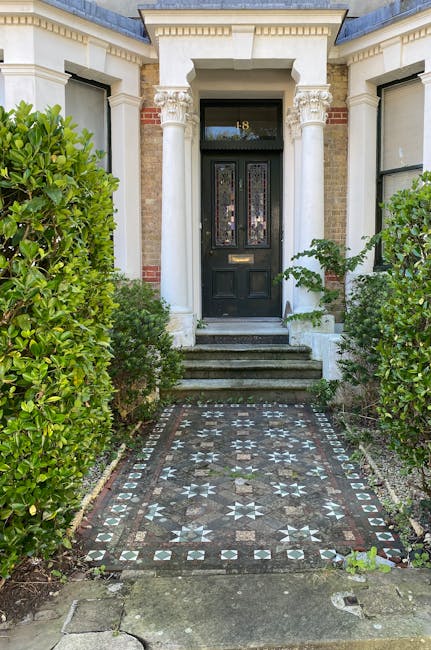
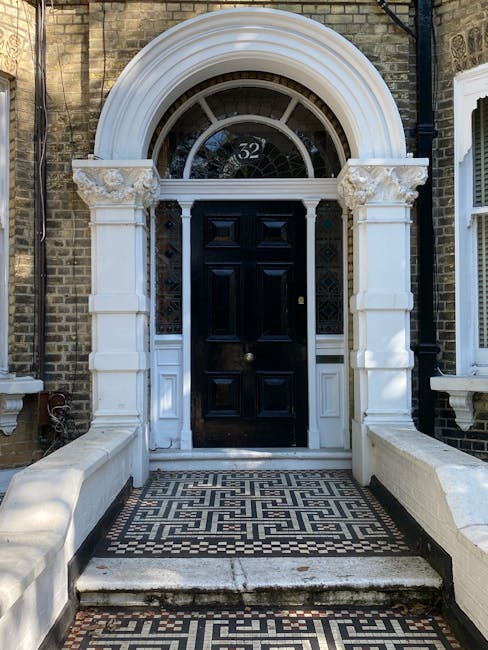
Victorian floors are not one single type of surface. In Maida Vale, you will commonly see original hardwood boards, painted floorboards, tiled hallways, quarry tiles, and decorative encaustic patterns in period entrances. Each has its own personality, and each reacts differently to heat, moisture, and cleaning chemistry.
That matters because a floor that looks simply "dirty" may actually be carrying years of wax, polish, soap residue, dust trapped between boards, or grime settled into tile pores. Steam can help lift some of that buildup without flooding the surface with detergent. But on the wrong floor, or with the wrong approach, it can also cause trouble. A Victorian floor often has age, movement, and previous repairs baked into it. You need to respect that.
In practical terms, steam cleaning is most useful where you want a deeper clean than a standard mop can provide, but you do not want harsh chemicals saturating an older surface. That is why careful, localised cleaning is usually the better route in a place like W9, where period homes are common and many floors have been refinished more than once. To be fair, some floors look robust but are actually fragile under the surface.
There is also a lifestyle reason. Maida Vale homes often see a lot of foot traffic from families, tenants, sharers, pet owners, and busy professionals. If you live near Warwick Avenue or have a hallway that seems to collect half of London every wet Tuesday, floor hygiene becomes about more than appearance. It affects how the whole home feels.
If you are preparing a property for sale or letting, floor condition can matter even more. Our articles on selling in Maida Vale and navigating the Maida Vale property market explain why presentation can make a real difference. Floors are one of the first things people notice. Sometimes before the walls, even before the furniture.
How Maida Vale W9 steam cleaning for Victorian floors Works
Steam cleaning uses hot vapour, usually delivered through a machine with a controlled nozzle or floor tool, to loosen dirt and break down residue. The best systems do not drench the surface. They use heat and a small amount of moisture to soften grime, then a cloth, pad, or extraction method removes the loosened soil.
On Victorian floors, the process is less about blasting the surface and more about careful agitation, controlled moisture, and immediate removal. That combination matters. Old wood and historic tiles can tolerate some steam, but they rarely enjoy soaking. The aim is to clean the top layer of contamination without pushing water deep into seams, cracks, or unfinished material.
Here is what usually happens in a careful professional approach:
- Inspection: The floor type, finish, condition, and any loose areas are checked first.
- Dry preparation: Dust, grit, and debris are removed so they do not turn into abrasive mud.
- Spot testing: A small hidden area is tested, especially on older timber or decorative tiles.
- Controlled steam application: Short passes are used, not long soaking bursts.
- Immediate capture: Loosened dirt and moisture are lifted away quickly.
- Drying and aftercare: Airflow is encouraged and the finish is checked once dry.
That last part is underrated. A floor can look fine while still holding too much moisture in joints or edges. A professional will usually think beyond the visible surface. You should too.
On timber, particularly original boards, steam is often approached with caution. If the finish is worn, patchy, or already lifting, steam may not be the first choice. On tiled Victorian floors, especially quarry or encaustic tile, steam can be excellent for grout lines and ingrained dirt, but only if the tiles and grout are sound. Old lime-based materials can behave differently from modern cement-based ones. Small detail, big difference.
Key Benefits and Practical Advantages
When steam cleaning is suitable, the benefits can be genuinely noticeable. Not magical. Just useful, honest improvement.
- Better soil removal: Steam can loosen grime from pores, grooves, and seams that mopping tends to miss.
- Less chemical dependence: For some floors, you can reduce reliance on aggressive detergents.
- Improved appearance: Tiles regain clarity, boards look less grey, and old residue can be reduced.
- Hygienic refresh: Heat helps break down surface contamination when used correctly.
- Good for detailing: Corners, edges, and grout lines can be treated more precisely than with a mop.
- Helpful for move-outs and special occasions: If you are planning an inspection, open house, or family gathering, a proper clean can lift the whole room.
There is a quieter benefit too. Victorian floors can make a home feel older than it really is when they are dulled by residue. Once cleaned properly, the room often feels brighter, airier, and less heavy. You notice it when the afternoon light hits the boards and the hallway suddenly feels less flat. It is a small shift, but it matters.
For homes where floors sit alongside fabric furniture, you may also want to look at upholstery cleaning in Maida Vale, especially if you are trying to freshen a whole room rather than just one surface. And if a larger clean is needed after guests, tenants, or renovation dust, our end of tenancy cleaning service is often a sensible next step.
Who This Is For and When It Makes Sense
This kind of cleaning makes sense for a few different people, and the reason is not always the same.
- Homeowners with original Victorian floors: especially if the floor has years of built-up polish or grime.
- Landlords and letting agents: because floor presentation can affect first impressions and inspection outcomes.
- Tenants moving out: when the floor needs a proper refresh before a final handover.
- Busy households: if food spills, muddy shoes, pets, or children have taken their toll.
- People preparing for sale: because polished, clean floors photograph better and show better.
- Anyone with a mixed-finish floor: for example tiled entrances and timber living spaces.
It makes less sense if the floor is severely water-damaged, badly warped, lifting, or coated with a finish that cannot tolerate heat. It also may not be the right choice if the floor is unfinished softwood with open grain and no proper testing has been done. In those cases, a low-moisture alternative is usually safer.
A quick real-world example: if your hallway floor still has original tiles but the adjacent timber has a worn varnish, one room can often be steam cleaned and the other gently cleaned by hand. That sort of mixed approach is common in older Maida Vale homes. Not every room needs the same treatment. Frankly, that's often the smartest thing.
For broader home care, many people combine floor treatment with house cleaning in Maida Vale or even office cleaning services if they manage a professional space in a period conversion.
Step-by-Step Guidance
If you are arranging steam cleaning for Victorian floors, this is the sensible order of play.
1. Identify the floor type
Before anything else, confirm what you are dealing with. Is it sealed timber, waxed timber, painted boards, quarry tile, encaustic tile, or something repaired later? Surface type determines everything else.
2. Check the condition
Look for movement, loose boards, cracked tiles, missing grout, cupping, lifting finish, or visible water staining. If the floor is already compromised, pause. Steam may make matters worse if the structure is weak.
3. Remove loose debris first
Dry grit is abrasive. If you drag a steam head through dust and sand, you are basically polishing the floor with dirt. No one wants that. Vacuum carefully, then sweep edges and corners.
4. Test in a hidden area
This is the bit people skip, and it's often the bit they regret. Test behind a door, under furniture, or near a skirting board. Wait for it to dry. Check for darkening, finish changes, or raised texture.
5. Use controlled steam passes
Keep passes short. Do not hold the nozzle in one place. Aim for cleaning action, not soaking. On delicate timber, you may decide to keep steam use minimal or avoid it altogether.
6. Lift the residue immediately
Use the right pad, towel, or extraction method to remove loosened grime. If dirty moisture is left behind, it can settle back into joints or leave a sticky film. A common mistake, that one.
7. Dry thoroughly
Open windows if weather allows, use airflow, and avoid walking on the floor until it is properly dry. In some homes, especially older ones, drying takes longer than expected. There is no prize for rushing it.
8. Inspect the result in natural light
Look near a window or doorway. Natural light reveals streaks, residue, and missed spots far better than ceiling light alone. Around late morning, it is often easier to see what really happened.
If you want a clean that fits with the rest of a property refresh, our Maida Vale carpet cleaning page is also worth a look, because many homes need floor and soft-furnishing care at the same time.
Expert Tips for Better Results
Here are the things experienced cleaners tend to focus on, even if they do not always say them out loud.
- Work in small sections: Victorian floors reward patience. Tiny sections give you control.
- Respect the finish: Wax, oil, lacquer, paint, and bare wood all respond differently.
- Use minimal water: More moisture is not better. Usually it is worse.
- Watch the skirting line: Water often collects at the edge first.
- Pair steam with dry extraction: That combination often gives cleaner results than steam alone.
- Mind the grout: On tiled floors, deep cleaning grout can dramatically change the look of the room.
- Allow for old repairs: Patchwork boards or replaced tiles may react differently from the original material.
A small but useful tip: if the floor smells damp after cleaning, do not just hope it sorts itself out. Open up the room, increase air movement, and check whether moisture has settled in a hidden seam or under a loose board. Sometimes the smell goes quickly. Sometimes it is telling you something useful.
And if you are cleaning in a furnished home, move furniture carefully rather than dragging it across the floor. Sounds obvious, but you would be surprised. A scratched Victorian board is a lot less charming than people expect.
Common Mistakes to Avoid
Most problems with steam cleaning older floors come from rushing or assuming the floor is tougher than it really is.
- Skipping the test patch: This is the classic error.
- Using too much steam on timber: Heat and moisture can lift grain or affect finish.
- Leaving residue behind: Dirty moisture can dry into streaks or dull patches.
- Cleaning a damaged floor without repair: Loose boards and cracked grout need attention first.
- Using the wrong attachment: A harsh head can mark a delicate surface.
- Assuming all Victorian floors are the same: They really are not.
- Forgetting about drying: A floor that looks clean but stays damp can become a bigger problem later.
The biggest mistake is maybe this: treating steam cleaning as a one-size-fits-all answer. It is useful, yes, but it is not a magic wand. No surface cleaner is. Especially not in a period home where every board has a story, and sometimes a complaint.
Tools, Resources and Recommendations
For careful Victorian floor cleaning, the right tools matter more than sheer power.
| Tool or Resource | Why It Helps | Best Used For |
|---|---|---|
| Controlled steam machine | Delivers heat with less excess water | Sound tiled floors and carefully tested sealed surfaces |
| Microfibre pads | Lifts grime and absorbs moisture | Finishing and residue removal |
| Soft vacuum head | Removes grit before wet cleaning | All floor types |
| pH-neutral cleaner | Helps with safe routine maintenance | Regular upkeep on compatible finishes |
| Moisture meter | Helps spot hidden dampness in timber | Older wooden floors, post-clean checks |
| Air mover or good ventilation | Speeds drying and reduces risk | Post-clean drying support |
If you are comparing services, it is sensible to ask how a team handles older surfaces, what testing they do, and whether they carry suitable protection and insurance. Our insurance and safety information and health and safety policy may be useful if you want to understand the standards behind a visit. You can also check pricing and quotes if you are planning ahead.
For a bit of local context and practical reading, the Maida Vale area guides can also be helpful, especially what locals say about living in Maida Vale and this guide to hidden gems in Maida Vale. Not because they teach steam cleaning, obviously, but because they give a good feel for the homes and lifestyle in the area.
Law, Compliance, Standards, or Best Practice
Steam cleaning itself is not a heavily regulated activity in the way some specialist trades are, but reputable providers should still work in line with ordinary UK health and safety expectations, proper insurance, and sensible risk assessment. In domestic settings, that means protecting occupants, avoiding slip hazards, using equipment safely, and choosing methods suitable for the surface.
For Victorian floors in particular, best practice usually includes:
- checking the condition of the floor before cleaning
- testing a discreet area first
- using the least aggressive effective method
- managing moisture carefully to avoid damage
- making the area safe during and after the work
If the property is rented, landlords and tenants should also think about the condition of the floor at check-in and check-out. Clean does not always mean restored, and that distinction can matter. If you are moving out, our end of tenancy cleaning service can help bring everything together more smoothly.
For service expectations, it is fair to ask whether the cleaner is transparent about exclusions, drying times, and any finish risks. Good providers should be able to explain this plainly, without talking in circles. If they can't, that's a bit of a red flag.
Options, Methods, or Comparison Table
Not every Victorian floor needs steam. Sometimes it is ideal; sometimes another method is safer. Here is a useful comparison.
| Method | Best For | Pros | Watch Outs |
|---|---|---|---|
| Steam cleaning | Sound tiled floors, grout, and some well-sealed surfaces | Deep cleaning, less detergent, strong detail work | Too much moisture can damage timber or weak finishes |
| Manual damp cleaning | Delicate or mixed-condition floors | More control, lower moisture risk | May not remove embedded grime as well |
| Low-moisture machine cleaning | Large areas needing quicker turnaround | Efficient, controlled, often safer for some finishes | May need specialist operator knowledge |
| Spot restoration and hand detailing | Patchy damage, corners, old stains, ornate tile work | Highly precise, less invasive | Time-consuming |
For many Maida Vale homes, the best answer is a combination. A hallway may benefit from steam, while the adjacent living room boards are better treated with a gentler low-moisture method. That mixed approach is often the smart one, even if it sounds less glamorous. It is.
Case Study or Real-World Example
Here is a realistic example based on the kind of property many people in W9 live in.
A resident in a Victorian conversion had a tiled entrance hall that looked grey and tired, especially near the front door. The tiles were structurally sound, but the grout had darkened from everyday soil, wet shoes, and years of standard mopping. The nearby timber room had a finish that was older and more delicate, so it was not treated the same way.
The approach was simple: vacuum first, test a hidden tile, use controlled steam in short sections, lift residue immediately, then allow full drying before walking on the surface. The tiled hall came up visibly brighter, and the grout looked cleaner without any harsh scrubbing. The timber room, meanwhile, was left to a gentler method. That's the point, really. Different floor, different treatment.
A second example: after a small gathering, a flat near Warwick Avenue had muddy footprints on an old painted hallway floor. The floor did not need heavy restoration. It needed careful cleaning, quick residue removal, and controlled drying so the paint finish was not dulled. The owner had worried the marks were permanent. They were not. Sometimes they just need the right method and a bit of patience.
If you are local and want to understand the broader service area, the page on Warwick Avenue carpet cleaning services gives a useful neighbourhood-specific angle. And if you are simply getting to know the area better, this guide to hosting parties in Maida Vale is a light but relevant read for property owners who entertain often.
Practical Checklist
Use this before booking or attempting steam cleaning on a Victorian floor.
- Confirm the floor type and finish.
- Check for cracks, movement, loose boards, or damaged grout.
- Remove all loose grit and dust first.
- Test a hidden area and let it dry fully.
- Use controlled steam, not prolonged wetting.
- Lift residue immediately with the right pad or cloth.
- Allow proper ventilation and drying time.
- Inspect for dullness, streaking, or swelling once dry.
- Choose a gentler method if the floor is fragile or unfinished.
- Ask about insurance, safety, and aftercare before booking.
Expert summary: Victorian floors respond best to restraint. Clean the surface, protect the structure, and let the material tell you what it can handle. That approach usually gives the nicest result and, more importantly, keeps the floor around for the long term.
Conclusion
Maida Vale W9 steam cleaning for Victorian floors can be an excellent option when the surface is suitable, the method is controlled, and the aftercare is taken seriously. It is especially useful for sound tiled floors, grime-heavy hallways, and period interiors that have lost their brightness under years of everyday life.
But the real lesson is this: older floors need judgement, not force. If you take the time to identify the material, test carefully, and work with the grain of the home rather than against it, you are much more likely to get a result that looks clean and lasts. That's the sweet spot.
If you are comparing options or planning a wider refresh, take a look at our full services overview, review the practical details in about us, and explore the latest local articles on our Maida Vale blog. A little context goes a long way.
Get a free quote today and see how much you can save.
Sometimes the floor just needs the right kind of care, and then the whole room seems to breathe again.